

Research
Schedule Based Collision Free MAC Protocol for Underwater Acoustic Wireless Sensor Networks
A conference publication about collision-free MAC scheduling for underwater acoustic sensor networks.
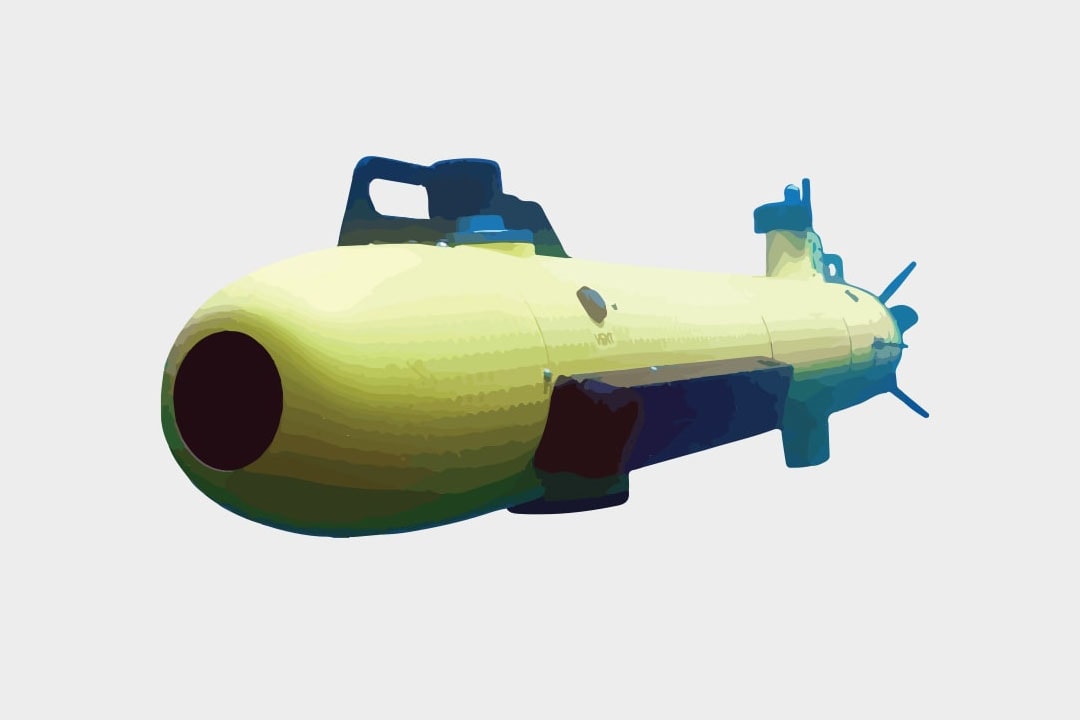
Published
June 1, 2012
Technologies
Scheduling algorithms · MAC protocols · Acoustic sensor networks
Links
Problem
Underwater acoustic sensor networks operate under conditions that make many familiar radio-network assumptions fail. Propagation delay is large, bandwidth is scarce, and transmission power matters. When collisions happen, retransmissions are expensive in both throughput and energy.
That is the design problem this paper focused on.
Proposed protocol
The paper proposed a schedule-based, collision-free MAC protocol for underwater acoustic sensor networks. Instead of relying on conventional contention patterns, it used scheduling algorithms at both sender and receiver nodes.
The overall model was organised into three phases:
- Announcement period: sender nodes announce planned transmissions.
- Schedule synchronisation: receiver nodes confirm or modify the timing to avoid collisions.
- Periodic operation: data is sent according to the synchronised schedule.
The PDF describes this with two message types: an announcement message carrying timing information and a modification message that adjusts the schedule when a collision would otherwise occur.
Why scheduling was attractive here
Scheduling was attractive here for three main reasons:
- Collision avoidance is mandatory in underwater networks because retransmissions are costly.
- A schedule table at each node can coordinate safe transmission windows.
- Fewer control messages and fewer retransmissions should conserve battery power while preserving more capacity for actual data.
Relation to earlier work
The paper briefly positioned itself against other schedule- and reservation-based MAC proposals such as Slotted FAMA, UW-MAC, and BTB-TDMA. The contribution here was not to claim that no one had tried scheduled access before, but to offer a concrete protocol design tuned for underwater conditions.
Future work
The conclusion pointed to simulation and evaluation across throughput, end-to-end delay, collision rate, and energy consumption, along with open issues such as idle listening and overhearing.